
For Professionals with ADHD
Stop procrastinating on your most important tasks without relying on guilt, shame, or hustle
And the harder they try—the more things matter—the harder it is to actually do the thing.
You can know exactly what to do, but if you don’t have the right tools you’ll keep waiting until the last minute.
This is where coaching can help.
Most ADHDers don’t procrastinate because they are lazy.

You’ve done the work.
You’ve listened to the podcasts, read the books, watched the TikToks
You’ve tried apps and paper planners
And what did that get you?
Still wasting hours a day in productive procrastination or doom scrolling
An inbox full of messages you’re avoiding
Working late and on weekends to meet deadlines
Not feeling in control of your time or your life
Here’s the truth
It’s not your work ethic. It’s not your job.
It’s a system that looks good when you build it, but falls apart the moment you actually have to start.
Because it assumes you’ll do the thing as soon as you sit down at your desk.
And then you’re stuck on the treadmill of scrambling because you’re behind, burning out, and being late on the next thing.
Most advice about productivity—especially on social media—is created for neurotypical people
It assumes that the problem is a lack of organization, schedule, or accountability
High-achieving ADHDers try the obvious fix—routines, schedules, systems. But either the solutions only work for a short time or they don’t work at all.
They keep trying to make the system work by white knuckling through. Eventually that creates even more avoidance.
Meanwhile they are getting further behind and more burnt out.
In real life, the problem usually isn’t the obvious one:

-
A WFH accountant would sometimes take hours to start work in the morning
What she thought she needed
More discipline to stick to a morning routine.Actual problem
She was forcing herself to do a full workout even on low-energy days.Why it caused procrastination
It was draining her mentally and physically before she even started work. -
A freelance designer was always getting things done at the last minute
What he thought he needed
A strict daily schedule.The actual problem
He was trying to mentally track three different to-do lists, plus random other tasks that were not written down.Why it caused procrastination
It was too much work to figure out what the highest-priority project was, so he would work on whatever was the most interesting. -
A software engineer kept procrastinating on “simple and boring” work tasks
What she thought she needed
External accountability.The actual problem
The tasks actually weren’t simple. They weren’t difficult, but they required a lot of working memory.Why it caused procrastination
She avoided them because they made her feel like there was something wrong with her. -
A project manager kept letting emails pile up in her inbox.
What she thought she needed
A better system for tracking and organizing emails.The actual problem
She had a hidden belief that she had to keep everyone happy, even when she was delivering bad news.Why it caused procrastination
She would obsess over getting the wording exactly right.
Note: These examples are anonymized composites based on real coaching conversations. Identifying details have been changed or removed, and all coaching sessions are completely confidential.
This might be right for you if…
You know what to do, but you can’t seem to start until deadline panic kicks in.
You’re willing to experiment, try different approaches, and do a little honest reflection.
You’ve tried to DIY your way through it, and you’re ready for more support.
You’re motivated, but you can’t seem to make your habits stick.
Things look fine on the surface, but it’s getting harder and harder to keep up.
Task Initiation and Follow Through 12-Week Intensive
Beta Cohort $600 (Regular Program Price $3000)
What you get…
8x 50-minute coaching calls. We will figure out the root cause of your procrastination. You’ll leave feeling supported, understood, and with a concrete next step.
Optional daily text support. If you need a little extra accountability or just a reminder to try the thing. You’re not on your own.
Emotional regulation toolkit. Often anxiety, boredom, or shame can derail us from starting a task. We will practice emotional regulation in our coaching sessions. This toolkit will give you what you need to practice on your own.
30/60/90 day follow up calls. We will work together to fine tune your systems until things are running seamlessly.
Book a call
The first step is a 50-minute fit call.
Bring one thing you’ve been procrastinating on and we will find the blockers together.
You can experience coaching firsthand and then decide if you want to participate in the beta.
Why am I offering such a large discount?
I want to work with more professionals across a range of industries so I can test and refine the program for different kinds of work.
I’m also building a stronger collection of client results, case studies, and testimonials before offering the program at its full price.
I’ll send quick multiple-choice feedback surveys every 4 weeks.
If you have a good experience, I would appreciate referrals or a testimonial.
What can you expect?
No pressure. This is not a sales bait and switch. I won’t try to sell you anything at the end.
No coach is the right fit for everyone. If you’re not making meaningful progress, you can request a full refund at any time before your final session.
Refund requests must be made while the program is still in progress and will not be accepted after the program ends
Questions? Shoot me a text (862) 346-7672
Valerie Violet
July 2026
This program helped me more than I ever thought possible, and that's coming from a person who has struggled with this my whole life.
Sarah took all the shame and blame out of the issues I was having and led me through these weeks with empathy. She was able to reframe the issues I was having in a way that allowed me to come up with my own solutions, and I've going that when I discover the solution myself, I'm more likely to stick with it.
This is no spoon feeding or a therapist telling you what to do. Instead, she finds out what is important to you ADHD-wise and helps you figure out what to do about it. I'm thrilled with my progress in this program and the abilities I've gained. I can't recommend this more for people who suffer with ADHD like me.
Kris
July 2026
Sarah helped me cut through the noise, identify my priorities, and make an action plan. I always felt better after getting off of a call with her. Even though I consider myself to generally be “on track” with most of my goals, my meetings with Sarah helped me to prioritize and clarify my direction. This process really helped reduce feelings of fogginess and anxiety about what I should be doing.
Alesha G.
August 2026
I have really benefited from the time we spent together in the coaching space. You helped me to face things I was resisting by providing support and an opportunity to be patient with myself to let my thoughts come and be heard. I loved the body doubling, I didn’t know what that was before you told me, but it was just what I needed. Since working with you, I’ve made a lot of progress and gained clarity about what I REALLY want to do and now I am on that path. Thank you Sarah!
We start working on the most urgent thing you’ve been procrastinating on
We figure out what the blockers are to getting it done and figure out how to solve them.
Unclear expectations?
Don’t know the first step?
Fear of rejection or disappointing someone?
Not enough time?
Then we move on to the next thing.
After we’ve tackled a few items, you’ll start to recognize your own patterns and know what tools to use.
Are you afraid to make a mistake so you don’t start?
Do you always feel like you have to over-deliver?
Do you avoid boring tasks?
Do you struggle to say no to people so your schedule is overloaded?
Our sessions will get further and further apart until you’re able to do the whole process on your own.

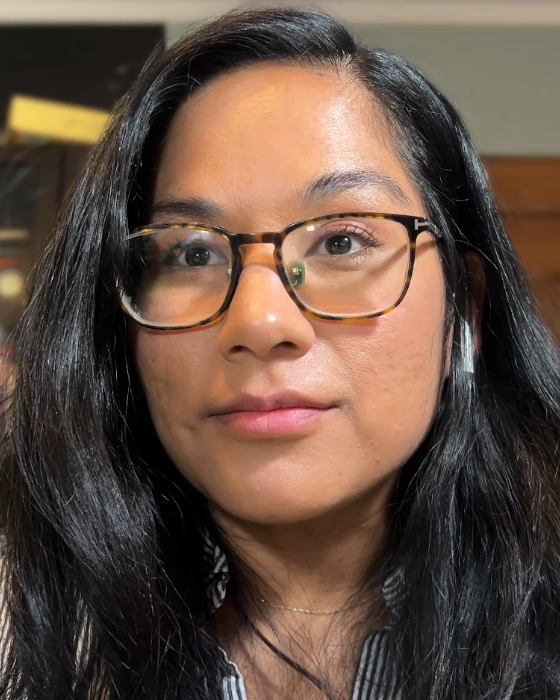
Hi, I’m Sarah!
I’m a Lumia certified life coach. I work with late-diagnosed, high-achieving ADHDers to stop using shame and brute force to reach their goals.
Before coaching, I spent 20 years as a software engineer and tech leader in the high-pressure startup world. I didn’t receive my diagnosis until I was in my mid-30s. So, I relied on strategies that seemed to work, but had a cost.
Meeting deadlines with huge bursts of productivity that left me drained and burned out
Bullying myself to power through and meet my own impossible standards
Expending so much energy to make sure nobody saw the chaos behind the scenes
Constantly searching for the planner, system, or philosophy that would fix things
I realized I had to stop using these coping mechanisms to get my job done because I was burnt out and still not reaching my goals. I started building systems and processes that actually made sense for my brain. It was after I stopped trying to mask my symptoms and got the support that I needed, that I could trust myself to follow through.
For me, this work isn’t about hacks to create more output. It’s about helping you to build a life that’s sustainable and meaningful.
Watch my appearance on the I Have ADHD podcast where I talk about how coaching changed my life.
My Guarantee
This type of coaching isn’t for everyone.
I’m not going to give you a list of tasks and then ask you to text me proof that you did them.
This is for adults with ADHD who want to understand the root causes of their procrastination and solve them.
You have to be willing to get a little uncomfortable.
You have to be willing to use some support or accommodations.
You have to be willing to be honest with yourself about what you really want.
Clients who are able to do these things see amazing results and are able to make huge progress towards their goals.